
TOKYO HIGH DENTAL CLINIC
Crowns
In brief
A crown covers the whole damaged tooth with a prosthesis to preserve it and restore its shape and chewing function.
Prosthetic treatment is planned by Dr. Ahn Jin-gyu, a specialist in integrated dentistry, after checking the remaining teeth and the bite. The same dentist stays with you from consultation to the end of treatment.
A material in great harmony with natural teeth!
A crown is a treatment that covers the whole damaged tooth with an artificial prosthesis
to preserve the tooth and restore its shape when it is chipped or has severe decay.
It is mainly performed when the damage is so severe that the natural tooth alone cannot withstand chewing forces.
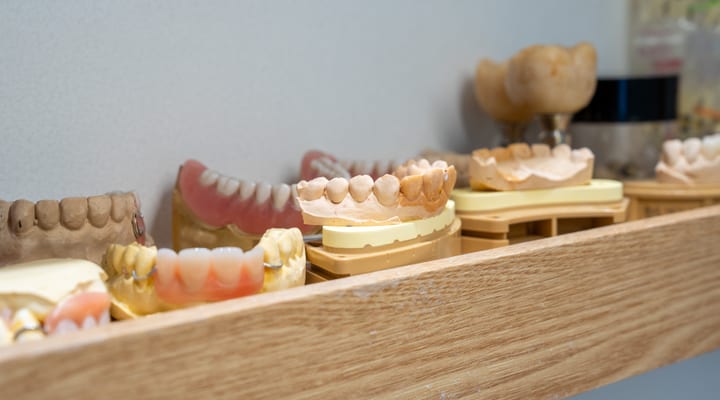
Types
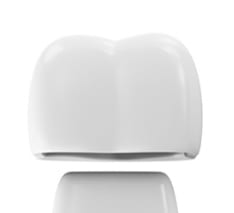
Zirconia crown
A crown material with strength and translucency so good it is called an artificial diamond. It has the best strength among crown materials, so it is mainly used for molars, and it does not make the gums look dark, raising aesthetic satisfaction.
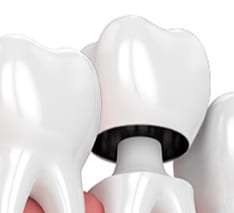
PFM crown
The outside of the prosthesis is a porcelain shade similar to natural teeth, and the inside is metal. It is a traditional crown material suited to patients with weaker chewing force.
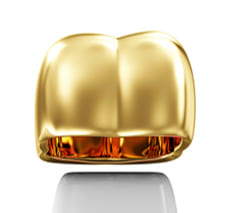
Gold crown
The most ideal material for making artificial teeth, its strength and elasticity are the closest to natural teeth. It is mainly used for molars, which take a lot of force, and its high biocompatibility means allergic reactions almost never occur.
We recommend this for the following

Cases where the tooth must be preserved after root canal treatment
Cases where decay is extensive and little tooth structure remains
Cases where more than half the tooth is broken by an external impact
Aftercare instructions
 A regular dental check-up is needed once every six months.
- The habit of chewing food on only one side should be corrected.
- Clenching, hard food and teeth grinding raise the risk of the prosthesis fracturing.
- Floss and interdental brushes are needed so that decay does not recur.
Frequently Asked Questions
Is denture treatment covered by insurance?
For those aged 65 and over, national health insurance applies, greatly reducing the out-of-pocket cost.
Do dentures have to be worn every day?
Please wear them daily if possible, but it is better to take them out while sleeping to let the gums rest.
How many years can a bridge be used?
It can generally be used for about five to seven years, and longer depending on how well it is maintained.
This treatment information was reviewed by our dental team on 2026-07-29.